
Commercial roofing systems are designed to withstand years of exposure to the elements. From intense sunlight and heavy rain to snow, wind, and seasonal temperature swings, they serve as the building’s first line of defense against the environment.
Yet many roof leaks don’t begin with a dramatic tear or puncture.
Instead, they start with something much smaller—a seam that has begun to separate.
Often, the change is so subtle it’s nearly impossible to notice during a casual walk across the roof. But once that protective seam is compromised, water can begin working its way beneath the membrane, creating hidden damage long before a leak appears inside the building.
Understanding how roof seams function—and why they sometimes fail—can help building owners identify problems earlier and avoid much larger repair costs.
What Are Roof Seams?
On most commercial roofing systems, the membrane is installed in multiple sheets that are joined together to create a continuous waterproof surface.
Those connection points are known as roof seams.
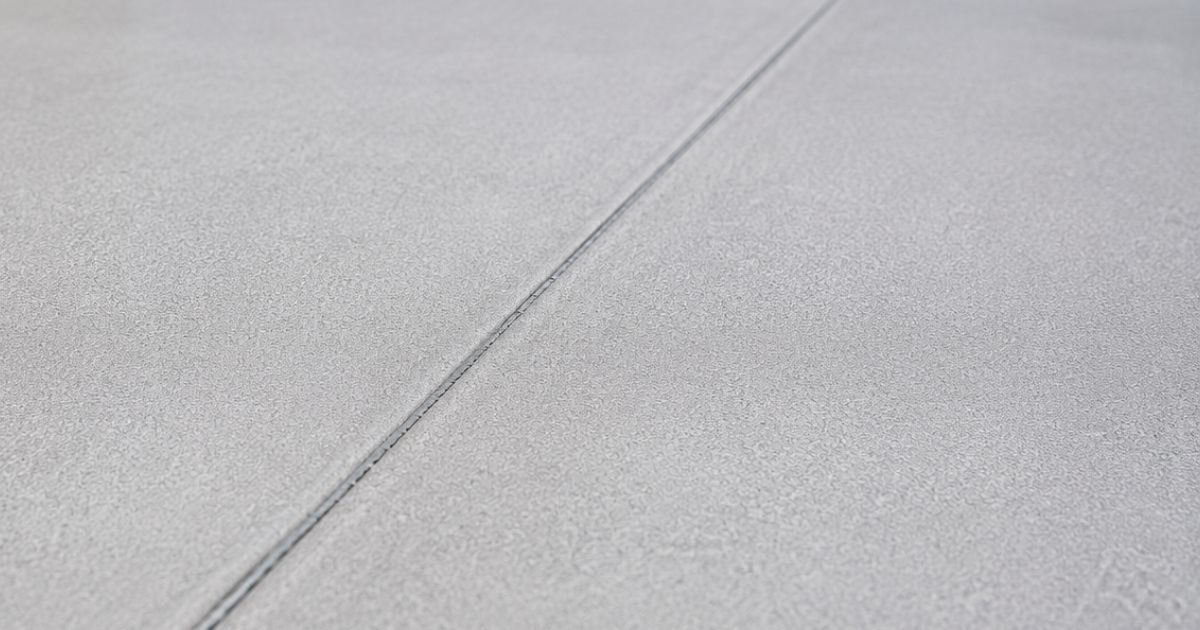
Depending on the roofing system, seams may be heat-welded, adhered with specialized adhesives, or mechanically fastened and sealed. When properly installed, they create a durable barrier that keeps water from penetrating beneath the roofing membrane.
Although seams represent only a small percentage of the roof’s surface, they are among the most critical components of the entire system.
If even one seam begins to fail, it can provide a pathway for water to enter the roof assembly.
Why Do Roof Seams Separate?
Roof seams are constantly exposed to movement and environmental stress.
As temperatures rise and fall throughout the year, roofing materials naturally expand and contract. Wind uplift, UV exposure, precipitation, and normal building movement all place additional stress on the seams over time.
Common factors that contribute to seam separation include:
- Thermal expansion and contraction
- Aging roofing materials
- Wind uplift
- Repeated foot traffic during maintenance
- Improper installation or previous repairs
- General weathering over time
In many cases, seam separation develops gradually rather than suddenly.
A gap measuring only a fraction of an inch may be enough to allow moisture beneath the roofing membrane.
Why Small Seam Failures Become Big Problems
One of the biggest misconceptions about commercial roof leaks is that water drips straight down from where it enters.
In reality, that’s rarely what happens.
Once moisture gets beneath the membrane, it can travel horizontally through insulation, along the roof deck, or around structural components before eventually appearing inside the building.
By the time an interior ceiling stain or active leak is noticed, the original seam failure may be located many feet away.
Hidden moisture intrusion can contribute to:
- Saturated insulation
- Reduced energy efficiency
- Roof deck deterioration
- Mold and mildew growth
- Premature membrane aging
- Interior damage to ceilings, finishes, or equipment
What started as a minor seam separation can quietly affect a much larger area of the roof system.
Warning Signs of Roof Seam Failure
Because seam failures are often subtle, routine inspections are the best way to identify them early. However, there are several warning signs building owners and facility managers should be aware of.
Look for:
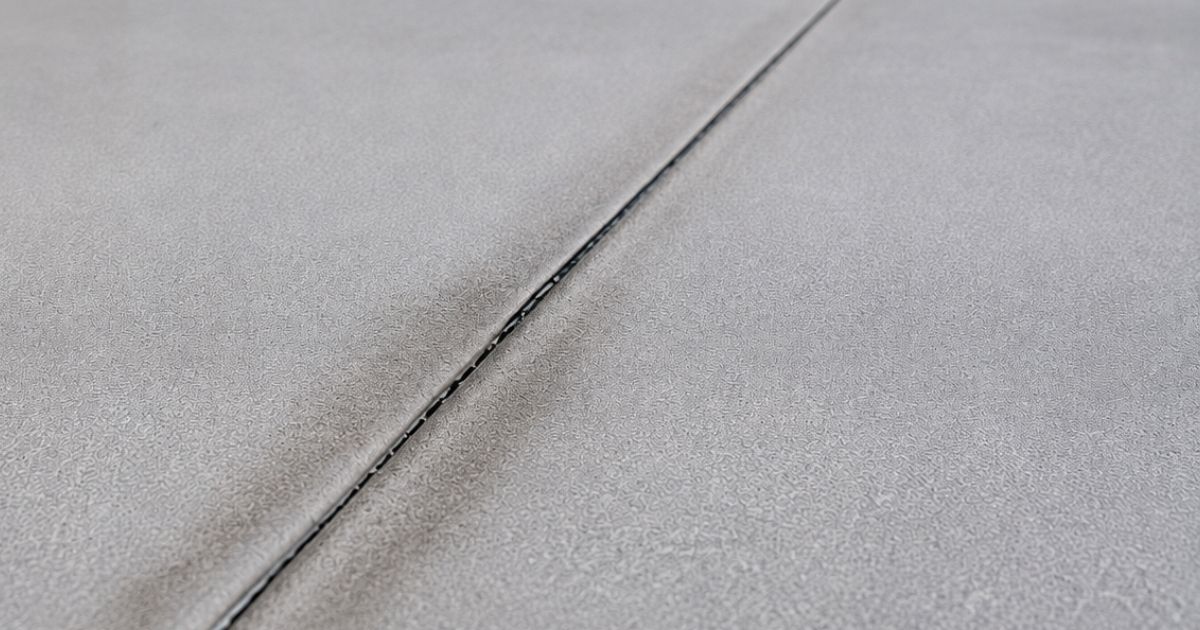
Open or Lifted Seams
Even slight separation along a seam deserves professional evaluation.
Wrinkles or Membrane Movement
Movement around seams may indicate stress or loss of adhesion.
Blisters or Soft Areas
Moisture trapped beneath the membrane can create localized changes in the roof surface.
Interior Water Stains
Leaks appearing inside the building may originate far from the visible damage.
Recurring Leaks After Heavy Rain
Leaks that repeatedly appear during significant rainfall often point to hidden roofing deficiencies, including seam failures.
If any of these conditions are present, scheduling a professional roof inspection is a smart next step.
Why Routine Roof Inspections Matter
Most seam failures don’t happen overnight.
They develop gradually over months—or even years—before creating noticeable problems.
Routine roof inspections allow experienced professionals to identify vulnerable seams before water intrusion spreads throughout the roof system.
Regular inspections can help:
- Identify early seam separation
- Detect hidden moisture concerns
- Extend the life of the roofing system
- Reduce emergency repair costs
- Support long-term maintenance planning
- Protect the building’s interior from avoidable water damage
Addressing a small seam repair today is often far less expensive than restoring widespread moisture damage later.
Repairing a Seam Doesn’t Always Mean Replacing the Roof
One of the biggest advantages of identifying seam failures early is that they can often be repaired without replacing the entire roofing system.
Depending on the condition of the roof, repairs may include resealing or rewelding seams, localized membrane replacement, or other targeted maintenance designed to restore the roof’s watertight integrity.
The key is addressing the problem before moisture has the opportunity to spread beneath the membrane.
Early intervention helps preserve the existing roof, minimizes disruption to building operations, and maximizes the return on your roofing investment.
Protect Your Roof Before Small Problems Spread
At Warren Roofing, we know that commercial roofing problems often begin in places that are easy to overlook.
A seam that appears almost unchanged today could become tomorrow’s costly leak if left unaddressed.
Our inspection and maintenance programs are designed to identify early signs of seam separation, moisture intrusion, and other developing issues before they lead to larger repairs or unexpected downtime.
Because sometimes the biggest roofing problems don’t start with a major failure.
They start with the smallest opening.
And catching that opening early can make all the difference.